Erp Case Studies: Real-Life Examples Of Successful Implementations

Successful Erp Implementation Case Study Pdf Examples For 4 fasrbali
Successful Erp Implementation Case Study Pdf Examples For 4 fasrbali from fasrbali382.weebly.com

In the fast-paced world of business, efficient management of resources and streamlined operations are crucial for success. Enterprise Resource Planning (ERP) systems have emerged as powerful tools to help organizations achieve these goals. By integrating various functions and processes into a unified system, ERP enables companies to optimize their operations, increase productivity, and make informed decisions.

In this article, we will explore real-life case studies of organizations that have successfully implemented ERP systems. These case studies will provide insights into the challenges faced by these companies, the benefits they have gained, and the lessons learned throughout the implementation process.

1. Streamlining Supply Chain Management at Company XYZ

Company XYZ, a leading manufacturer in the automotive industry, was facing challenges in managing its complex supply chain. The company had multiple suppliers, warehouses, and distribution centers spread across different regions, making it difficult to track inventory, monitor production, and coordinate deliveries.

Recognizing the need for a more efficient supply chain management system, Company XYZ implemented an ERP solution. The system integrated various functions, including procurement, inventory management, and logistics, into a centralized platform. This enabled real-time visibility of inventory levels, improved demand forecasting, and optimized production planning.

The implementation of ERP resulted in significant cost savings for Company XYZ. By streamlining its supply chain processes, the company was able to reduce inventory holding costs, minimize stockouts, and improve overall operational efficiency. The ERP system also provided valuable insights into supplier performance, allowing the company to negotiate better terms and optimize its procurement processes.

2. Enhancing Financial Management at Company ABC

Company ABC, a multinational conglomerate, was facing challenges in managing its financial operations across different business units and subsidiaries. The company had a fragmented financial system, with each unit using different software and processes, leading to inefficiencies, data discrepancies, and delays in financial reporting.

To address these challenges, Company ABC decided to implement an ERP system to streamline its financial management processes. The ERP solution integrated financial modules, such as general ledger, accounts payable, and accounts receivable, into a single platform. This allowed for standardized financial processes, real-time data consolidation, and improved accuracy in financial reporting.

The implementation of ERP enabled Company ABC to gain better control over its financial operations. The company could now easily track and analyze financial data across its various business units, ensuring compliance with regulatory requirements and improving decision-making. The ERP system also automated routine financial tasks, freeing up resources for more strategic activities.

3. Improving Customer Relationship Management at Company DEF

Company DEF, a global retail chain, was facing challenges in managing its customer relationships. The company had multiple sales channels, including physical stores, e-commerce platforms, and call centers, making it difficult to provide a consistent and personalized experience to its customers.

To address these challenges, Company DEF implemented an ERP system with a strong focus on customer relationship management (CRM). The ERP solution integrated customer data from various channels, enabling a 360-degree view of customer interactions, preferences, and purchase history.

The implementation of ERP transformed Company DEF's customer service capabilities. The company could now provide personalized recommendations, targeted promotions, and seamless omni-channel experiences to its customers. The ERP system also enabled better customer segmentation and analysis, helping the company identify trends, preferences, and opportunities for growth.

4. Optimizing Production Planning at Company GHI

Company GHI, a manufacturer of consumer electronics, was facing challenges in optimizing its production planning processes. The company had a complex production workflow, with multiple product lines, varying demand patterns, and frequent changes in customer preferences.

To overcome these challenges, Company GHI implemented an ERP system that focused on production planning and scheduling. The ERP solution integrated data from various departments, such as sales, inventory, and production, into a centralized platform. This enabled real-time visibility of demand, capacity, and materials, facilitating better production planning and scheduling.

The implementation of ERP resulted in significant improvements in Company GHI's production efficiency. The company could now accurately forecast demand, optimize production schedules, and minimize idle time and bottlenecks. The ERP system also enabled better coordination between different departments, leading to improved collaboration and faster time-to-market.

Conclusion

These real-life case studies highlight the effectiveness of ERP systems in transforming organizations' operations and driving business growth. Whether it is streamlining supply chain management, enhancing financial management, improving customer relationship management, or optimizing production planning, ERP has proven to be a valuable tool for organizations across various industries.

Implementing an ERP system requires careful planning, stakeholder engagement, and change management. However, the benefits outweigh the challenges, as seen in these case studies. Organizations that successfully implement ERP systems can gain a competitive edge, improve operational efficiency, and make data-driven decisions.

CompanyChallengeSolutionBenefits
Company XYZComplex supply chain managementERP integrationCost savings, improved visibility
Company ABCFragmented financial managementERP implementationStandardized processes, accurate reporting
Company DEFInconsistent customer relationship managementCRM-focused ERP systemPersonalized experiences, better segmentation
Company GHISuboptimal production planningProduction-focused ERP solutionImproved efficiency, faster time-to-market

Erp Critical Success Factors: Ensuring Success In Business Operations

Critical success factors for ERP systems implementation according to
Critical success factors for ERP systems implementation according to from www.researchgate.net

In today's fast-paced and highly competitive business landscape, implementing an effective Enterprise Resource Planning (ERP) system is crucial for organizations to streamline their operations, improve productivity, and stay ahead of the competition. However, simply implementing an ERP system is not enough; organizations must also consider the critical success factors that can determine the success or failure of their ERP initiatives. In this article, we will explore some of the key factors that organizations need to consider when implementing an ERP system to ensure a successful outcome.

1. Strong Executive Sponsorship and Leadership

One of the most critical success factors for ERP implementation is having strong executive sponsorship and leadership. This means that top-level executives within the organization must actively support the ERP initiative, provide the necessary resources, and drive the project forward. Without strong executive sponsorship, the ERP project may lack direction, resources, and the necessary buy-in from the rest of the organization.

Why is strong executive sponsorship important?

Strong executive sponsorship sets the tone for the entire ERP implementation process. It ensures that there is clear alignment between the ERP project and the strategic goals of the organization. Executives can also provide the necessary guidance and support to overcome any potential roadblocks and ensure that the project stays on track.

How can organizations ensure strong executive sponsorship?

Organizations can ensure strong executive sponsorship by involving top-level executives from the very beginning of the ERP project. Executives should be actively involved in the decision-making process, regularly communicate the importance of the ERP initiative to the rest of the organization, and provide the necessary resources and support to the project team.

2. Clearly Defined Goals and Objectives

Another critical success factor for ERP implementation is having clearly defined goals and objectives. Organizations must have a clear understanding of what they want to achieve with the implementation of an ERP system. This includes defining specific goals, such as improving operational efficiency, reducing costs, increasing customer satisfaction, or expanding into new markets.

Why are clearly defined goals and objectives important?

Clearly defined goals and objectives provide a clear roadmap for the ERP implementation process. They help organizations stay focused on what needs to be achieved and ensure that everyone involved in the project is working towards the same outcomes. Without clearly defined goals and objectives, the ERP implementation may lack direction and fail to deliver the expected results.

How can organizations define their goals and objectives?

Organizations can define their goals and objectives by conducting a thorough analysis of their current business processes, identifying areas for improvement, and setting realistic and measurable targets. It is important to involve key stakeholders from different departments and levels of the organization to ensure that the goals and objectives are aligned with the overall business strategy.

3. Effective Change Management Strategy

Implementing an ERP system involves significant changes to the organization's business processes, workflows, and employee roles. Therefore, having an effective change management strategy is crucial to ensure a smooth transition and minimize resistance from employees.

Why is an effective change management strategy important?

An effective change management strategy helps organizations prepare their employees for the changes that come with the implementation of an ERP system. It helps employees understand the need for change, addresses their concerns and fears, and provides the necessary training and support to adapt to the new system. Without an effective change management strategy, organizations may face resistance from employees, leading to delays, inefficiencies, and ultimately, the failure of the ERP initiative.

How can organizations develop an effective change management strategy?

Organizations can develop an effective change management strategy by involving employees from the early stages of the ERP project, communicating the reasons for change, and providing regular updates and training throughout the implementation process. It is also important to address any concerns or resistance from employees and provide the necessary support to help them adapt to the new system.

4. Adequate Resources and Budget

Implementing an ERP system requires significant resources, including financial resources, skilled personnel, and technology infrastructure. Therefore, having adequate resources and budget is essential for the success of the ERP initiative.

Why are adequate resources and budget important?

Adequate resources and budget ensure that the ERP project has the necessary support and infrastructure to be successful. Without adequate resources, organizations may face delays, lack of expertise, and technological limitations that can hinder the implementation process. Additionally, insufficient budget can lead to cost overruns and compromises in quality, ultimately impacting the success of the ERP initiative.

How can organizations ensure adequate resources and budget?

Organizations can ensure adequate resources and budget by conducting a thorough assessment of their requirements and allocating the necessary funds and personnel. It is important to involve key stakeholders, including finance and IT departments, in the budgeting process to ensure that all the necessary costs are considered. Regular monitoring and controlling of the budget throughout the implementation process is also essential to avoid any unexpected financial challenges.

In conclusion, implementing an ERP system is a complex and challenging process that requires careful planning and consideration of various critical success factors. By ensuring strong executive sponsorship, clearly defined goals and objectives, effective change management, and adequate resources and budget, organizations can significantly increase their chances of successfully implementing an ERP system and reaping the benefits it offers. Taking these factors into account will not only streamline business operations but also position organizations for long-term success in today's competitive marketplace.

Summary

Implementing an ERP system requires careful consideration of several critical success factors. These include strong executive sponsorship and leadership, clearly defined goals and objectives, effective change management, and adequate resources and budget. By addressing these factors, organizations can ensure a successful ERP implementation, streamline their business operations, and gain a competitive edge in the market.

ERP Critical Success Factors
  • Strong executive sponsorship and leadership
  • Clearly defined goals and objectives
  • Effective change management strategy
  • Adequate resources and budget

Erp Digital Transformation: Revolutionizing Business Operations

ERP Download The Ultimate Guide to Digital Transformation
ERP Download The Ultimate Guide to Digital Transformation from abouttmc.com

In the fast-paced world of business, staying ahead of the competition is crucial. This is where ERP digital transformation comes into play, revolutionizing the way companies operate and thrive. With the integration of advanced technology and streamlined processes, businesses can optimize their operations, enhance productivity, and boost profitability. In this article, we will explore the various aspects of ERP digital transformation and how it is reshaping the business landscape.

The Benefits of ERP Digital Transformation

ERP (Enterprise Resource Planning) systems have been around for decades, but the digital transformation of these systems has brought about a myriad of benefits. One of the key advantages is the consolidation of data and processes. With an ERP system, businesses can centralize their data and streamline their operations, eliminating the need for multiple applications and manual data entry. This results in improved efficiency and accuracy, as well as reduced costs.

Another significant benefit of ERP digital transformation is real-time visibility. With a fully integrated system, businesses can access real-time data and insights, allowing them to make informed decisions quickly. This visibility also enables better collaboration and communication across departments, breaking down silos and fostering a more cohesive and efficient working environment.

Furthermore, ERP digital transformation enables automation and standardization of processes. By automating repetitive tasks and workflows, businesses can free up resources and redirect them towards more value-added activities. Standardization of processes also ensures consistency and compliance, reducing the risk of errors and improving customer satisfaction.

Enhancing Customer Experience

In today's customer-centric world, providing an exceptional customer experience is vital for business success. ERP digital transformation plays a crucial role in enhancing customer experience by enabling personalized and seamless interactions. With a comprehensive view of customer data, businesses can tailor their offerings, provide personalized recommendations, and deliver a consistent and personalized experience across all touchpoints.

Moreover, ERP systems can integrate with other customer-facing applications, such as CRM (Customer Relationship Management), e-commerce platforms, and customer service portals. This integration allows for a seamless flow of information, enabling businesses to respond quickly to customer inquiries, provide accurate order tracking, and deliver timely support and services.

By leveraging the power of ERP digital transformation, businesses can gain a competitive edge by exceeding customer expectations and building long-lasting relationships.

Driving Innovation and Agility

In today's rapidly evolving business landscape, innovation and agility are key drivers of success. ERP digital transformation empowers businesses to embrace innovation and adapt to changing market dynamics quickly. By leveraging advanced technologies such as AI, machine learning, and IoT, businesses can gain valuable insights, automate processes, and drive operational efficiency.

ERP systems also enable businesses to adapt to new business models and market trends. For example, with the rise of subscription-based services and the sharing economy, businesses need to be agile and flexible in their operations. ERP digital transformation allows businesses to easily adapt their processes and systems to accommodate these new models, ensuring they remain competitive and relevant in the market.

Furthermore, ERP systems provide businesses with the scalability and flexibility to handle growth and expansion. As businesses evolve, their requirements change, and ERP systems can easily scale and adapt to accommodate these changes. This scalability eliminates the need for costly and time-consuming system upgrades, allowing businesses to focus on their core competencies and drive growth.

The Future of ERP Digital Transformation

ERP digital transformation is not a one-time implementation but an ongoing journey. As technology continues to advance, businesses need to stay abreast of the latest developments and trends to remain competitive. Future trends in ERP digital transformation include the integration of emerging technologies such as blockchain, augmented reality, and predictive analytics.

Blockchain technology, for example, can enhance data security and transparency, enabling businesses to build trust and eliminate the need for intermediaries in transactions. Augmented reality can revolutionize the way businesses interact with customers, allowing for immersive and personalized experiences. Predictive analytics can empower businesses to make data-driven decisions and anticipate customer needs and preferences.

As businesses embark on their ERP digital transformation journey, it is crucial to partner with experienced ERP consultants and vendors who understand their unique needs and can tailor solutions accordingly. With the right strategy and technology in place, businesses can unlock the full potential of ERP digital transformation and drive sustainable growth and success.

Conclusion

ERP digital transformation is reshaping the way businesses operate, enabling them to optimize their operations, enhance customer experience, drive innovation, and adapt to changing market dynamics. The consolidation of data, real-time visibility, automation of processes, and personalized interactions are just a few of the many benefits ERP digital transformation brings. As technology continues to advance, businesses must embrace the future of ERP digital transformation and leverage emerging technologies to stay ahead of the competition.

Summary Table

Benefits of ERP Digital TransformationKey Aspects
Consolidation of data and processesImproved efficiency, accuracy, and cost reduction
Real-time visibilityInformed decision-making, better collaboration, and communication
Automation and standardization of processesResource optimization, consistency, and compliance
Enhancing customer experiencePersonalization, seamless interactions, and integration with customer-facing applications
Driving innovation and agilityAdaptation to market trends, scalability, and flexibility
The future of ERP digital transformationIntegration of emerging technologies such as blockchain, augmented reality, and predictive analytics

Erp For Inventory Management: Streamlining Your Business Operations

Inventory Management System ERP Software DEAR Systems
Inventory Management System ERP Software DEAR Systems from dearsystems.com

Introduction

In today's fast-paced business world, efficient inventory management is crucial for the success of any company. With the ever-increasing competition and customer demands, businesses need a reliable and robust system to manage their inventory effectively. This is where Enterprise Resource Planning (ERP) comes into play. In this article, we will explore the benefits of using ERP for inventory management and how it can streamline your business operations.

1. Centralized Data Management

One of the key advantages of using ERP for inventory management is the ability to centralize all your data in one system. With ERP, you can consolidate all your inventory information, including stock levels, sales history, and purchase orders, into a single database. This centralized approach allows for real-time visibility and access to critical information, enabling you to make informed decisions quickly.

2. Improved Inventory Accuracy

Manual inventory management processes are prone to errors and inefficiencies. With ERP, you can automate various inventory management tasks, such as stock counting, reordering, and tracking. This automation minimizes the risk of human error and ensures accurate inventory levels at all times. Additionally, ERP systems can integrate with barcode scanners and RFID technology to further enhance inventory accuracy.

3. Efficient Order Fulfillment

ERP for inventory management streamlines the order fulfillment process, from receiving orders to shipping them out. With a centralized system, you can easily track and manage customer orders, allocate available stock, and generate pick lists for warehouse staff. This improves order accuracy and reduces the time it takes to fulfill customer requests, leading to higher customer satisfaction levels.

4. Demand Forecasting and Planning

Accurate demand forecasting is essential for optimizing inventory levels and avoiding stockouts or excess inventory. ERP systems offer advanced forecasting and planning capabilities, using historical data, sales trends, and market insights to predict future demand. This allows you to make informed purchasing decisions and optimize your inventory levels to meet customer demand while minimizing storage costs.

5. Real-time Inventory Tracking

With ERP, you can track your inventory in real-time, from the moment it arrives at your warehouse to the point of sale. This real-time visibility enables you to monitor stock levels, identify slow-moving or obsolete items, and take proactive measures to prevent stockouts or overstock situations. By having accurate and up-to-date inventory information, you can make data-driven decisions to optimize your inventory management processes.

6. Streamlined Supplier Management

Efficient supplier management is crucial for maintaining a reliable supply chain and ensuring timely delivery of goods. ERP systems provide features for managing supplier relationships, such as vendor performance tracking, purchase order management, and automated replenishment. By streamlining your supplier management processes, you can minimize lead times, reduce costs, and improve overall supply chain efficiency.

7. Integration with Other Business Functions

ERP for inventory management integrates seamlessly with other business functions, such as sales, finance, and production. This integration allows for real-time data sharing and collaboration between different departments, eliminating silos and improving overall business efficiency. For example, sales data can be automatically synced with inventory levels, enabling accurate demand forecasting and inventory replenishment.

Conclusion

In conclusion, implementing an ERP system for inventory management can bring numerous benefits to your business. From centralized data management and improved inventory accuracy to efficient order fulfillment and demand forecasting, ERP streamlines your business operations and enhances overall efficiency. By leveraging the power of ERP, you can optimize your inventory management processes, reduce costs, and deliver exceptional customer service. So, don't wait any longer, invest in ERP for inventory management and take your business to new heights.

Summary

ERP for inventory management is a powerful tool that can streamline your business operations and improve overall efficiency. By centralizing data management, improving inventory accuracy, and automating tasks, ERP enables you to optimize your inventory levels, fulfill customer orders efficiently, and make informed decisions based on real-time data. Furthermore, ERP integrates seamlessly with other business functions, enhancing collaboration and eliminating silos. Invest in ERP for inventory management and experience the benefits it brings to your business.

Erp For Ocd Training: A Comprehensive Guide

Obsessive and Compulsive Disorder Insight Clinic Counselling
Obsessive and Compulsive Disorder Insight Clinic Counselling from insightcliniccounselling.com.au

Obsessive-Compulsive Disorder (OCD) is a mental health condition that affects millions of people worldwide. It is characterized by intrusive thoughts and repetitive behaviors that can significantly disrupt daily life. ERP, or Exposure and Response Prevention, is a highly effective treatment for OCD. In this article, we will explore the various aspects of ERP for OCD training, including its benefits, techniques, and tips for success.

The Benefits of ERP for OCD Training

ERP is considered the gold standard treatment for OCD because of its proven effectiveness. It works by gradually exposing individuals to their fears or triggers in a controlled and therapeutic setting, allowing them to confront and resist their compulsions. By repeatedly facing their fears without engaging in their usual rituals, individuals with OCD can break the cycle of anxiety and compulsion.

One of the main benefits of ERP is that it provides long-lasting relief from OCD symptoms. Unlike medication, which only offers temporary relief, ERP addresses the root cause of OCD and helps individuals develop healthier coping mechanisms. Research has shown that ERP can significantly reduce OCD symptoms and improve overall quality of life.

Another benefit of ERP is its flexibility and customization. Each individual with OCD has unique triggers and symptoms, and ERP can be tailored to address their specific needs. Whether it's contamination fears, checking rituals, or intrusive thoughts, ERP can be adapted to target and challenge these specific obsessions and compulsions.

Techniques for ERP in OCD Training

1. Exposure Therapy

Exposure therapy is a core component of ERP for OCD training. It involves gradually exposing individuals to their fears or triggers in a controlled manner. For example, if someone has contamination fears, they may be asked to touch a doorknob without engaging in their usual hand-washing ritual. The exposure is done repeatedly and for extended periods to desensitize the individual to their fears.

During exposure therapy, individuals may experience intense anxiety and discomfort. However, with repeated exposure and the support of a trained therapist, they learn to tolerate these feelings without resorting to their compulsions. This process helps rewire the brain and weaken the association between the triggers and the anxiety response.

2. Response Prevention

Response prevention is another crucial technique in ERP for OCD training. It involves resisting or refraining from engaging in compulsive behaviors or rituals. For example, if someone has a checking compulsion, they may be asked to resist the urge to repeatedly check if the door is locked.

By preventing the usual response to obsessions, individuals learn that their fears are irrational and that they can resist the urge to perform their rituals. Over time, this leads to a decrease in anxiety and a weakening of the connection between obsessions and compulsions.

3. Mindfulness and Acceptance

Mindfulness and acceptance are integral to the success of ERP for OCD training. Mindfulness involves being fully present in the moment and non-judgmentally observing one's thoughts and feelings. Acceptance involves acknowledging and accepting the presence of intrusive thoughts without trying to suppress or control them.

By practicing mindfulness and acceptance, individuals with OCD learn to view their thoughts as transient mental events rather than threats. This allows them to develop a more compassionate and detached relationship with their obsessions, reducing their power and control over their behavior.

Tips for Success in ERP for OCD Training

1. Seek Professional Help

While self-help resources can be beneficial, it is essential to seek professional help for ERP in OCD training. A trained therapist can guide you through the process, provide support, and tailor the treatment to your specific needs. They can also help you navigate any challenges or setbacks that may arise during the training.

2. Stay Committed and Consistent

ERP for OCD training requires commitment and consistency. It is essential to follow through with the exposure and response prevention exercises regularly and not give in to your compulsions. Remember that progress takes time, and setbacks are a natural part of the process.

3. Practice Self-Care

Engaging in self-care activities can help reduce stress and support your overall well-being during ERP for OCD training. This can include activities such as exercise, relaxation techniques, and maintaining a balanced lifestyle. Taking care of your physical and mental health is crucial for success.

4. Build a Support Network

Having a strong support network can make a significant difference in your ERP for OCD training. Surround yourself with understanding and supportive individuals who can offer encouragement and assistance when needed. Consider joining a support group or seeking online communities where you can connect with others going through similar experiences.

The Importance of ERP in OCD Treatment

ERP for OCD training is a vital component of OCD treatment. It offers individuals with OCD a chance to regain control over their lives and reduce the impact of obsessions and compulsions. By confronting their fears and resisting their rituals, individuals can experience significant improvements in their symptoms and overall well-being.

Furthermore, ERP empowers individuals to develop healthier coping strategies and build resilience in the face of anxiety. It teaches them that they have the strength and ability to confront their fears without relying on compulsive behaviors. This newfound sense of control and self-efficacy can have a profound impact on their mental health and quality of life.

In conclusion, ERP for OCD training is a highly effective treatment option for individuals with OCD. Its benefits, techniques, and tips for success make it a powerful tool in overcoming obsessions and compulsions. By seeking professional help, staying committed, practicing self-care, and building a support network, individuals can significantly improve their symptoms and regain control over their lives.

TechniquesBenefits
Exposure TherapyGradual desensitization to triggers
Response PreventionBreaking the cycle of anxiety and compulsion
Mindfulness and AcceptanceDeveloping a compassionate and detached relationship with obsessions

Erp Implementation Partner: A Complete Guide For 2023

Compiere Partner Network Provides Customized Business Solutions
Compiere Partner Network Provides Customized Business Solutions from www.compiere.com

In today's fast-paced business world, companies are constantly striving to stay ahead of the competition. One way to gain a competitive edge is by implementing an ERP system. However, the process of ERP implementation can be complex and overwhelming for many organizations. That's where an ERP implementation partner comes in. In this blog post, we will discuss the role of an ERP implementation partner and why they are crucial for a successful ERP implementation.

The Role of an ERP Implementation Partner

An ERP implementation partner is a company that specializes in assisting organizations with the implementation of an ERP system. They have the expertise and experience to guide businesses through the entire process, from planning and design to deployment and training. The main role of an ERP implementation partner is to ensure that the ERP system is implemented smoothly and efficiently, with minimal disruption to the organization's operations.

1. Planning and Design

The first step in the ERP implementation process is planning and design. An ERP implementation partner works closely with the organization to understand their unique business requirements and objectives. They conduct a thorough analysis of the organization's existing systems and processes to identify areas that can be improved or streamlined through the implementation of an ERP system.

During the planning and design phase, the ERP implementation partner collaborates with the organization's key stakeholders to define the scope of the project, set realistic timelines, and allocate resources accordingly. They also assist in selecting the right ERP software that aligns with the organization's needs and goals.

2. Customization and Configuration

Once the planning and design phase is complete, the ERP implementation partner proceeds with customizing and configuring the ERP system to meet the organization's specific requirements. This involves tailoring the software to fit the organization's business processes, workflows, and reporting needs.

The ERP implementation partner works closely with the organization's IT team to ensure a seamless integration of the ERP system with existing systems and databases. They also provide guidance on best practices and industry standards to optimize the configuration of the ERP system.

3. Data Migration and Testing

One of the most critical aspects of ERP implementation is data migration. An ERP implementation partner assists the organization in transferring data from legacy systems to the new ERP system. They ensure that the data is cleansed, validated, and migrated accurately to maintain data integrity.

After the data migration is complete, the ERP implementation partner conducts extensive testing to ensure that the ERP system is functioning correctly and meeting the organization's requirements. They identify and resolve any issues or bugs that may arise during the testing phase, minimizing downtime and disruption to the organization's operations.

4. Training and Support

Once the ERP system is implemented, the ERP implementation partner provides comprehensive training to the organization's employees. They conduct training sessions and workshops to familiarize the users with the new system and its functionalities. This ensures that the employees are equipped with the necessary skills to effectively use the ERP system in their day-to-day tasks.

In addition to training, the ERP implementation partner offers ongoing support and maintenance services. They provide technical assistance, troubleshoot issues, and offer guidance on system upgrades and enhancements. This ensures that the organization continues to derive maximum value from the ERP system in the long run.

The Benefits of Working with an ERP Implementation Partner

Partnering with an ERP implementation partner offers several benefits for organizations implementing an ERP system:

1. Expertise and Experience

An ERP implementation partner brings a wealth of expertise and experience to the table. They have successfully implemented ERP systems for multiple organizations across various industries. This allows them to understand the unique challenges and requirements of different businesses and provide tailored solutions.

2. Faster Implementation

Working with an ERP implementation partner can significantly speed up the implementation process. They have a well-defined methodology and proven strategies to ensure a smooth and efficient implementation. This helps organizations save time and resources, enabling them to start reaping the benefits of the ERP system sooner.

3. Reduced Risk

ERP implementation is a complex undertaking that involves significant risks. An ERP implementation partner mitigates these risks by providing expert guidance and support throughout the process. They help organizations navigate potential pitfalls and ensure that the implementation is successful, minimizing the chances of costly mistakes.

4. Long-Term Support

An ERP implementation partner is not just involved during the implementation phase but also provides ongoing support and maintenance services. They become a trusted partner for the organization, offering assistance whenever needed. This ensures that the organization's ERP system continues to evolve and adapt to changing business needs.

Conclusion

Implementing an ERP system is a complex and challenging process. However, with the help of an ERP implementation partner, organizations can streamline the implementation and maximize the benefits of the ERP system. From planning and design to customization and support, an ERP implementation partner plays a critical role in ensuring a successful ERP implementation. Partnering with an ERP implementation partner brings expertise, faster implementation, reduced risk, and long-term support. So, if your organization is considering implementing an ERP system, don't underestimate the importance of choosing the right ERP implementation partner.

Summary

This article provides a comprehensive guide to ERP implementation partners in 2023. It explains the role of an ERP implementation partner and the various stages of the ERP implementation process. The article highlights the benefits of working with an ERP implementation partner, including their expertise, faster implementation, reduced risk, and long-term support. It concludes by emphasizing the importance of choosing the right ERP implementation partner for a successful ERP implementation.

Erp Shopify Integration: Streamline Your Business Operations

eBridge is the Leading Shopify & ERP Integration Solution
eBridge is the Leading Shopify & ERP Integration Solution from www.ebridgeconnections.com

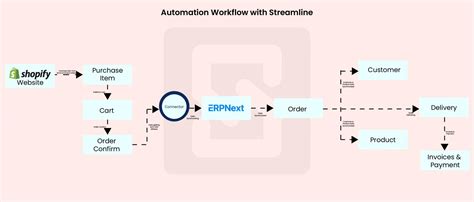
In today's fast-paced digital world, having a seamless integration between your ERP (Enterprise Resource Planning) system and your Shopify e-commerce platform is crucial for the success of your business. By integrating these two powerful systems, you can streamline your business operations, automate tedious tasks, and gain real-time visibility into your inventory, sales, and customer data. In this article, we will explore the benefits of ERP Shopify integration and how it can revolutionize your business.

1. Inventory Management Made Easy

One of the key advantages of ERP Shopify integration is the ability to manage your inventory more efficiently. With a unified system, you can keep track of your stock levels, monitor product availability, and even set automatic reorder points. This ensures that you never run out of stock and can fulfill customer orders without any delays.

Additionally, ERP integration allows you to sync your inventory data between your ERP system and your Shopify store in real-time. This means that any changes made to your inventory, such as new products, price updates, or stock adjustments, are automatically reflected on your e-commerce platform. This eliminates the need for manual data entry and reduces the risk of errors or discrepancies.

2. Streamlined Order Processing

Another key benefit of ERP Shopify integration is the streamlining of your order processing workflow. When a customer places an order on your Shopify store, the integration automatically transfers the order details to your ERP system. This allows you to fulfill the order efficiently, generate shipping labels, and update the customer with tracking information.

Furthermore, by integrating your ERP and Shopify systems, you can automate various order-related tasks, such as invoicing, payment processing, and order status updates. This saves you time and reduces the chances of human error. With a unified system, you can also easily manage returns, exchanges, and refunds, providing a seamless customer experience.

3. Accurate Financial Data and Reporting

ERP Shopify integration also enables you to have accurate and up-to-date financial data. By syncing your sales data from Shopify to your ERP system, you can track revenue, profit margins, and expenses in real-time. This allows you to make informed business decisions, identify trends, and optimize your pricing and inventory strategies.

In addition, integrated systems provide comprehensive reporting capabilities, allowing you to generate custom reports, analyze sales performance, and monitor key metrics. With access to accurate financial data, you can easily identify strengths and weaknesses in your business, identify opportunities for growth, and make data-driven decisions.

4. Enhanced Customer Experience

Integrating your ERP and Shopify systems can significantly enhance the customer experience. With real-time inventory data, you can provide accurate product availability information to your customers, reducing the chances of backorders or cancellations. This helps build trust and confidence in your brand.

Furthermore, by integrating customer data between your ERP and Shopify systems, you can personalize the shopping experience, offer targeted promotions, and provide exceptional customer service. For example, if a customer makes a purchase on your Shopify store, their order history, preferences, and contact information are automatically synced to your ERP system. This allows you to provide personalized recommendations, offer loyalty rewards, and resolve customer inquiries more efficiently.

Conclusion

ERP Shopify integration is a game-changer for businesses looking to streamline their operations, improve efficiency, and enhance the customer experience. By seamlessly connecting your ERP system with your Shopify e-commerce platform, you can automate tedious tasks, gain real-time visibility into your data, and make informed business decisions. Whether you're a small business or a large enterprise, integrating these two powerful systems can revolutionize the way you do business in the digital age.

Benefits of ERP Shopify Integration:
- Efficient inventory management
- Streamlined order processing
- Accurate financial data and reporting
- Enhanced customer experience

Erp System Diagram: A Comprehensive Guide

What is ERP? Enterprise Resource Planning Explained
What is ERP? Enterprise Resource Planning Explained from www.projectline.ca

Managing a business efficiently requires a well-structured system that can integrate various departments and streamline operations. This is where an ERP (Enterprise Resource Planning) system comes into play. An ERP system diagram provides a visual representation of how different modules and processes work together to create a cohesive business solution. In this article, we will delve into the intricacies of an ERP system diagram and explore its significance in modern businesses.

Understanding the Basics of an ERP System

Before diving into the details of an ERP system diagram, it is essential to grasp the fundamentals of an ERP system. An ERP system is a software solution that enables organizations to automate and integrate their core business processes. It consists of various modules such as finance, manufacturing, human resources, sales, and customer relationship management (CRM), among others.

An ERP system diagram visually represents the flow of information and processes within these modules. It illustrates how data is shared between different departments, providing a holistic view of the entire organization's operations.

The Components of an ERP System Diagram

An ERP system diagram typically includes the following components:

  1. Modules: Each module represents a specific department or function within the organization. Examples include finance, procurement, inventory, and production.
  2. Data Flow: The diagram showcases how data flows between different modules. It illustrates how information is entered, processed, and shared across the organization.
  3. Integration Points: Integration points highlight the areas where different modules interact with each other. These points ensure seamless data exchange and eliminate redundancy.
  4. User Interfaces: The diagram may also include user interfaces, showcasing how employees interact with the ERP system. This includes screens, forms, and dashboards.

The Significance of an ERP System Diagram

An ERP system diagram plays a crucial role in understanding and implementing an ERP system effectively. Here are some of its key benefits:

Visualizing Business Processes

An ERP system diagram provides a visual representation of complex business processes. It allows stakeholders to understand the flow of information, identify bottlenecks, and optimize workflows. By visualizing the entire system, organizations can make informed decisions and streamline their operations.

Identifying Integration Points

Integration points are critical in an ERP system, as they ensure seamless data exchange between modules. By analyzing the ERP system diagram, organizations can identify the integration points and ensure that data is shared accurately and efficiently. This eliminates redundancy and improves data integrity.

Enhancing Collaboration

An ERP system diagram promotes collaboration among different departments. It provides a shared understanding of how each department contributes to the overall business process. This facilitates collaboration, as employees can see how their work impacts other departments and align their efforts accordingly.

Supporting System Implementation and Upgrades

During the implementation or upgrade of an ERP system, an ERP system diagram acts as a blueprint. It helps organizations plan the implementation process, identify dependencies, and allocate resources effectively. Similarly, during upgrades, the diagram can be used to assess the impact on existing processes and identify areas that require modification.

Common Challenges in ERP System Diagrams

While an ERP system diagram is a valuable tool, it is not without its challenges. Here are some common issues faced during the creation and utilization of ERP system diagrams:

Complexity

ERP systems can be complex, especially in large organizations with multiple modules and integration points. Creating a comprehensive diagram that captures all the intricacies of the system can be challenging. It requires a thorough understanding of the organization's processes and a collaborative effort from various stakeholders.

Dynamic Nature

ERP systems are not static; they evolve with the organization's needs and technological advancements. This dynamic nature makes it essential to update the ERP system diagram regularly. Failure to do so can lead to outdated information and miscommunication among stakeholders.

Data Security

ERP systems handle sensitive business data, such as financial information, customer details, and employee records. When creating an ERP system diagram, it is crucial to consider data security and ensure that sensitive information is not exposed. Access controls and encryption measures should be implemented to protect the organization's data.

User Adoption

An ERP system is only as effective as its users. User adoption plays a significant role in the success of an ERP implementation. When creating an ERP system diagram, it is essential to consider the user experience and ensure that the system is intuitive and user-friendly. Training and support should also be provided to facilitate user adoption.

Conclusion

An ERP system diagram is a powerful tool that helps organizations understand, implement, and optimize their ERP systems. It provides a visual representation of complex business processes, identifies integration points, and promotes collaboration among departments. Despite the challenges associated with creating and maintaining an ERP system diagram, its benefits far outweigh the drawbacks. By leveraging the insights gained from an ERP system diagram, organizations can enhance their operational efficiency, improve decision-making, and achieve their business objectives.

Summary

In summary, an ERP system diagram is a visual representation of how different modules and processes work together in an ERP system. It helps organizations visualize business processes, identify integration points, enhance collaboration, and support system implementation and upgrades. However, creating and maintaining an ERP system diagram can be challenging due to the complexity of ERP systems, their dynamic nature, data security concerns, and user adoption issues. Despite these challenges, an ERP system diagram is an invaluable tool for organizations seeking to optimize their business processes and achieve operational excellence.

Erp Worksheet: Streamline Your Business Operations

ERP in Vivo Exposure Hierarchy Worksheet Editable / Fillable Etsy UK
ERP in Vivo Exposure Hierarchy Worksheet Editable / Fillable Etsy UK from www.etsy.com

In today's fast-paced business world, efficiency and organization are key to success. One tool that can help businesses achieve this is an ERP worksheet. ERP, or Enterprise Resource Planning, is a software system that integrates various business processes and functions into one centralized platform. In this article, we will explore the benefits and uses of an ERP worksheet and how it can streamline your business operations.

What is an ERP Worksheet?

An ERP worksheet is a digital document or spreadsheet that allows businesses to track, manage, and analyze their resources and processes. It serves as a central hub where all data and information about different aspects of the business are stored and accessed. This includes inventory management, sales and marketing, finance and accounting, human resources, and more.

Benefits of Using an ERP Worksheet

Implementing an ERP worksheet in your business can bring numerous benefits:

1. Improved Efficiency

An ERP worksheet eliminates the need for manual data entry and repetitive tasks. It automates processes and workflows, reducing the chances of errors and saving time. With real-time data updates, employees can make informed decisions and take immediate action, improving overall efficiency.

2. Enhanced Collaboration

An ERP worksheet allows different departments and teams within the organization to collaborate seamlessly. With shared access to data and information, employees can work together on projects, share updates, and communicate effectively. This promotes teamwork and improves productivity.

3. Better Decision-Making

With accurate and up-to-date data available in real-time, business owners and managers can make informed decisions. An ERP worksheet provides insights and analytics that enable them to identify trends, analyze performance, and make strategic decisions to drive the business forward.

Streamlining Inventory Management

One of the key functions of an ERP worksheet is inventory management. Keeping track of inventory levels, stock movements, and reorder points can be a complex task. An ERP worksheet simplifies this process by centralizing all inventory-related data.

1. Track Inventory Levels

With an ERP worksheet, businesses can easily monitor their inventory levels. They can set up automatic alerts for low stock levels, ensuring timely replenishment. This helps prevent stock-outs and ensures that the business has enough inventory to meet customer demands.

2. Optimize Order Fulfillment

An ERP worksheet streamlines the order fulfillment process. It tracks orders from the moment they are placed to when they are delivered. This allows businesses to optimize their order processing and fulfillment, reducing lead times and improving customer satisfaction.

3. Forecast Demand

An ERP worksheet provides valuable insights into customer demand patterns. By analyzing historical data and trends, businesses can forecast future demand and adjust their inventory levels accordingly. This helps prevent excess inventory or stock shortages, saving costs and improving cash flow.

Managing Financial Processes

Another crucial aspect of business operations is finance and accounting. An ERP worksheet can streamline financial processes, making them more efficient and accurate.

1. Automate Accounting Tasks

An ERP worksheet automates accounting tasks such as bookkeeping, invoicing, and financial reporting. This reduces the chances of errors and ensures compliance with accounting standards. It also saves time and allows finance teams to focus on more strategic activities.

2. Streamline Budgeting and Forecasting

An ERP worksheet simplifies the budgeting and forecasting process. It consolidates financial data from different departments and provides real-time insights into budget variances. This helps businesses make informed financial decisions and adjust their strategies accordingly.

3. Improve Cash Flow Management

With an ERP worksheet, businesses can accurately track their cash flow. It provides visibility into cash inflows and outflows, allowing businesses to manage their working capital effectively. This helps prevent cash flow issues and ensures financial stability.

Enhancing Customer Relationship Management

Customer relationship management (CRM) is essential for businesses to build and maintain strong customer relationships. An ERP worksheet can help businesses streamline their CRM processes.

1. Centralize Customer Data

An ERP worksheet serves as a centralized database for customer information. It allows businesses to store and access customer data such as contact details, purchase history, and preferences. This enables personalized marketing campaigns and better customer service.

2. Automate Sales and Marketing Activities

An ERP worksheet automates sales and marketing activities, such as lead generation, email campaigns, and customer follow-ups. It helps businesses track and analyze sales data, measure campaign effectiveness, and identify potential opportunities for growth.

3. Improve Customer Service

With access to comprehensive customer data, businesses can provide better customer service. An ERP worksheet enables customer support teams to quickly respond to inquiries, resolve issues, and provide personalized solutions. This enhances customer satisfaction and loyalty.

Conclusion

Implementing an ERP worksheet can significantly streamline your business operations. From inventory management to finance and accounting, and customer relationship management, an ERP worksheet centralizes and automates crucial processes. This improves efficiency, enhances collaboration, and enables better decision-making. Take advantage of this powerful tool to stay ahead in today's competitive business landscape.

Benefits of Using an ERP WorksheetStreamlining Inventory ManagementManaging Financial ProcessesEnhancing Customer Relationship Management
Improved EfficiencyTrack Inventory LevelsAutomate Accounting TasksCentralize Customer Data
Enhanced CollaborationOptimize Order FulfillmentStreamline Budgeting and ForecastingAutomate Sales and Marketing Activities
Better Decision-MakingForecast DemandImprove Cash Flow ManagementImprove Customer Service

Essex County College Online Summer Courses: A Guide For Success

Essex County College Essex county, College search, College
Essex County College Essex county, College search, College from www.pinterest.com

As the summer approaches, many students are searching for opportunities to continue their education and make the most of their time off. Essex County College offers a wide variety of online summer courses, providing students with the flexibility and convenience they need to achieve their academic goals. Whether you're a current student looking to catch up on credits or a new student interested in exploring new subjects, these online courses are the perfect solution. In this article, we will explore the benefits of taking online summer courses at Essex County College and provide you with valuable tips for success.

The Benefits of Online Summer Courses

Online summer courses offer numerous benefits that make them an attractive option for students. One of the main advantages is the flexibility they provide. With online courses, you have the freedom to study at your own pace and set your own schedule. This is especially beneficial for students who are working or have other obligations during the summer months.

Another advantage of online summer courses is the ability to take them from anywhere. Whether you're at home, on vacation, or traveling, as long as you have an internet connection, you can access your course materials and complete assignments. This flexibility allows you to make the most of your summer while still staying on track with your academic goals.

In addition to flexibility, online summer courses also offer a wide range of subjects to choose from. Essex County College offers courses in various disciplines, including humanities, social sciences, business, and more. This allows you to explore new subjects or delve deeper into areas of interest. The diverse range of courses ensures that there is something for everyone, regardless of your academic background or future goals.

Choosing the Right Online Summer Course

When selecting an online summer course, it's important to consider your interests, goals, and academic needs. Here are three key factors to keep in mind:

1. Your Interests

Choose a course that aligns with your interests and passions. This will make the learning experience more enjoyable and engaging, increasing your chances of success. Consider what subjects you are most curious about or what skills you would like to develop.

2. Your Goals

Think about your long-term goals and how the course you choose can help you achieve them. Are you looking to fulfill general education requirements? Do you want to gain specific knowledge or skills relevant to your chosen career path? Keep these goals in mind when selecting your online summer course.

3. Course Format and Schedule

Consider your preferred learning style and the amount of time you can dedicate to your studies. Some courses may require more time and effort, while others may have a more flexible schedule. Make sure to choose a course that fits your needs and availability.

Tips for Success in Online Summer Courses

Taking an online summer course can be a rewarding experience, but it also requires self-discipline and effective time management. Here are some tips to help you succeed:

1. Create a Schedule

Set aside dedicated time each day or week to focus on your online course. Creating a schedule will help you stay organized and ensure that you allocate enough time for studying, completing assignments, and participating in online discussions.

2. Stay Engaged

Participate actively in your online course by contributing to discussions, asking questions, and seeking clarification when needed. Engaging with your instructor and fellow students will enhance your learning experience and help you stay motivated throughout the course.

3. Take Advantage of Available Resources

Essex County College provides various resources to support online students, such as online tutoring, library services, and technical support. Take advantage of these resources to enhance your learning and overcome any challenges you may encounter.

4. Stay Organized

Keep track of important dates, assignments, and course materials. Use a planner or digital tools to stay organized and ensure that you meet all deadlines. Being organized will help you stay on top of your coursework and avoid unnecessary stress.

Conclusion

Online summer courses at Essex County College offer students the opportunity to continue their education and explore new subjects during the summer months. With flexibility, a wide range of courses, and valuable resources, these online courses provide the perfect platform for academic success. By choosing the right course, creating a schedule, staying engaged, and utilizing available resources, you can make the most of your online summer course experience. So why wait? Start exploring the available options and take a step towards achieving your educational goals this summer.

CourseSubjectDuration
Introduction to PsychologySocial Sciences6 weeks
Principles of MarketingBusiness8 weeks
English CompositionHumanities12 weeks
Introduction to Computer ScienceTechnology10 weeks